The Langhe
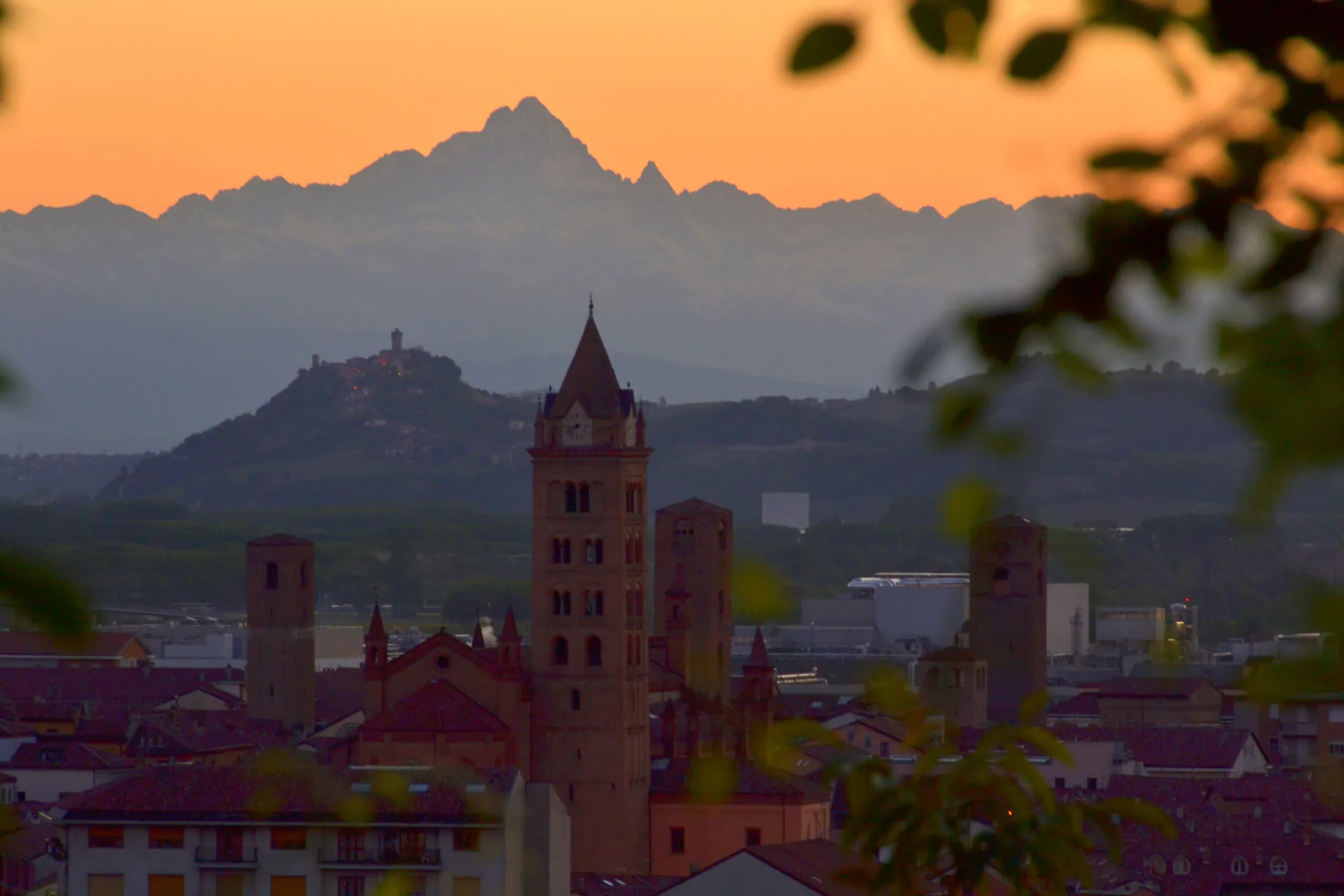
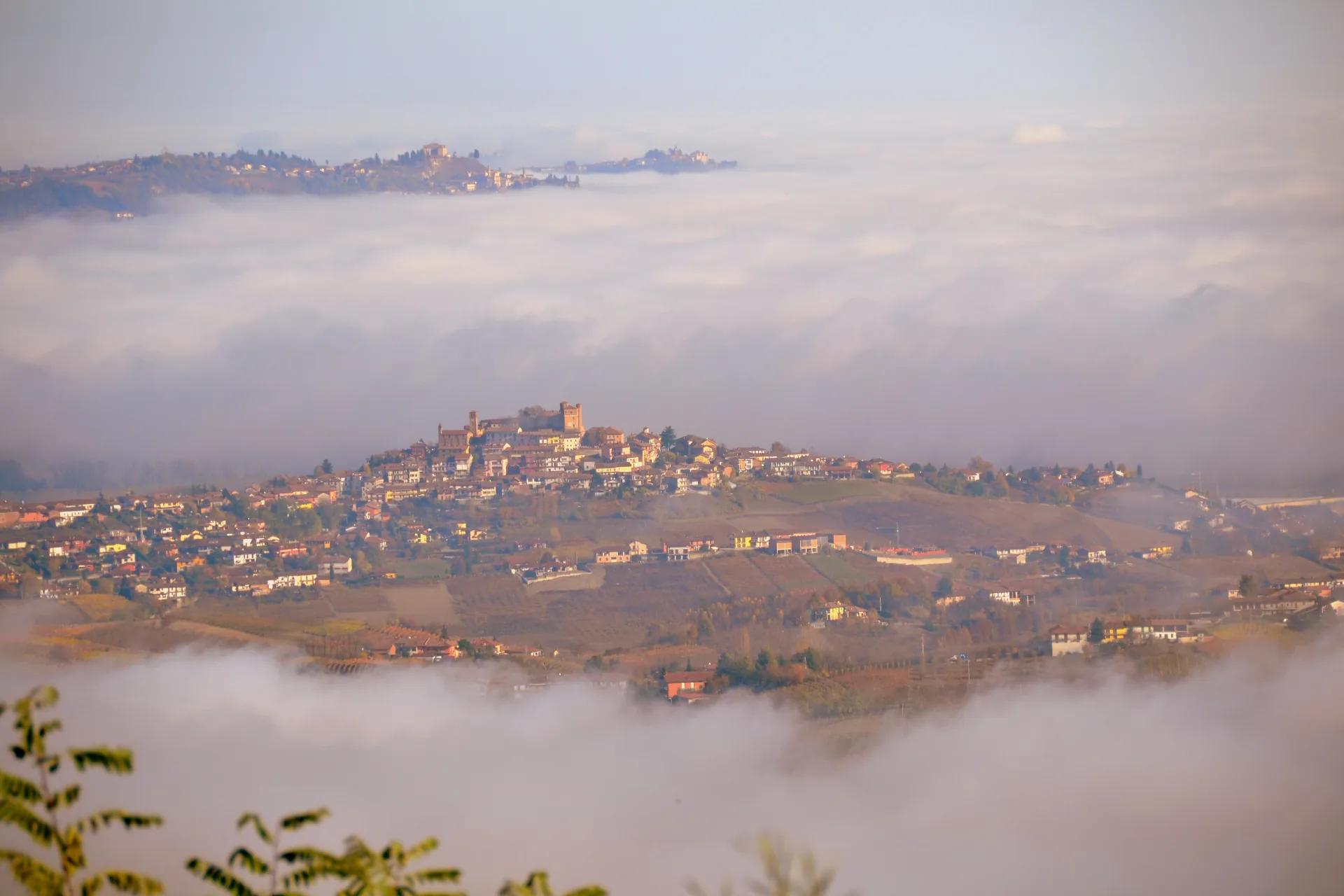
The Langhe, recognized as a UNESCO World Heritage site, offers a rare combination of natural beauty, award-winning food and wine, and deeply-rooted cultural traditions.
The Langhe
A culinary movement, a living heritage
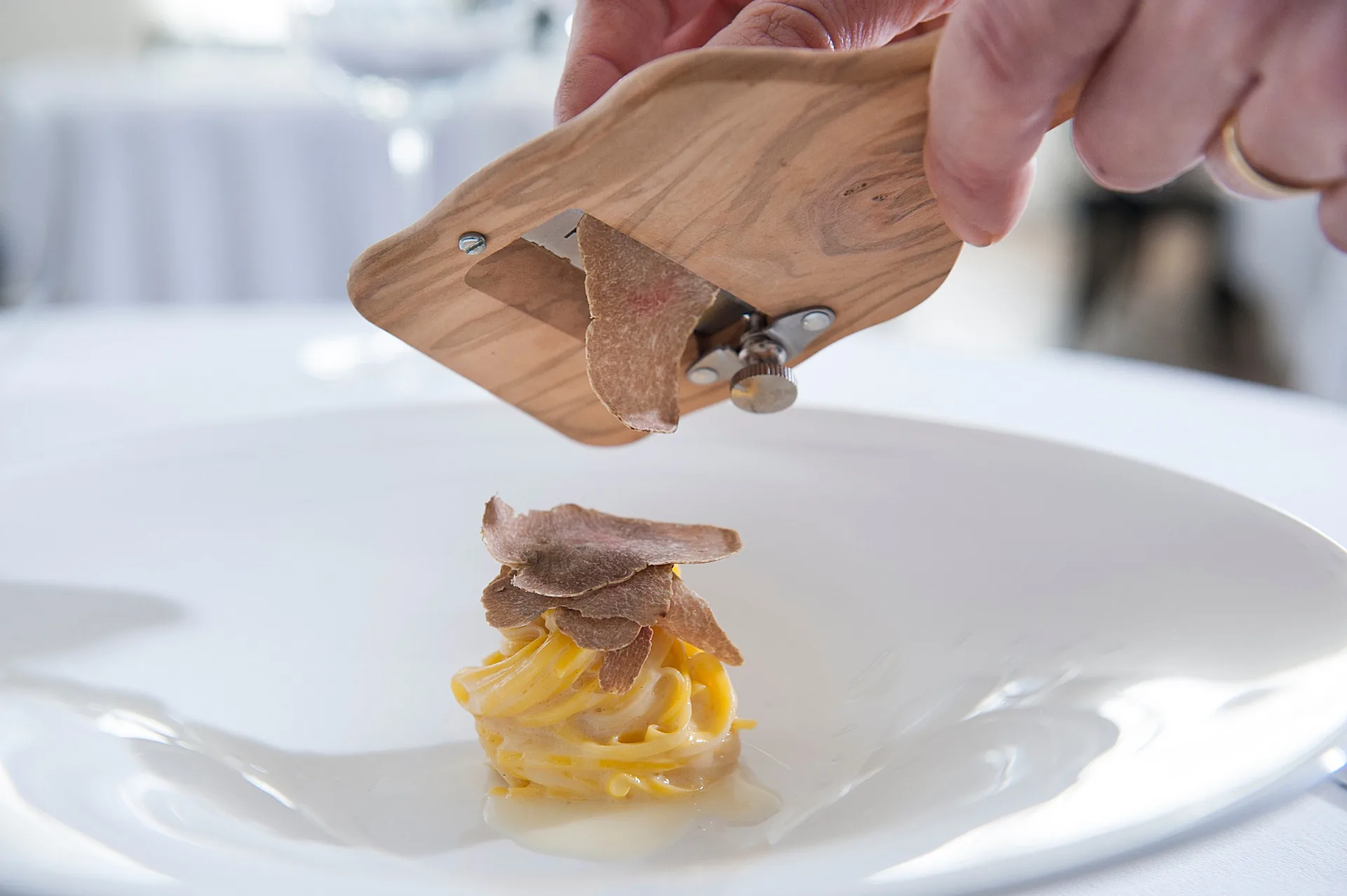
Driven by the Slow Food movement founded in Bra, the Langhe is a region where tradition, sustainability, and local ingredients take center stage. This enduring philosophy has shaped a remarkable culinary landscape, home to 34 Michelin-starred restaurants, including the three-starred Piazza Duomo and La Rei Natura by Michelangelo Mammoliti. Alongside these celebrated tables, the region honors its culinary heritage through iconic dishes—from delicate pastas like Tajarin and Agnolotti del Plin, Vitello Tonnato, to the prized white truffles of Alba.
Viticulture & History
Wine and history, intertwined
Wine is inseparable from the Langhe’s identity, with Barolo (the “King of Wine”) and Barbaresco standing among some of the most prestigious wines in the world. Made from the Nebbiolo grape, these wines are celebrated for their terroir, complexity, and aging potential. Visitors of the Langhe can tour family-run wineries, taste aged vintages in picturesque cellars, and explore historic sites like Castello di Grinzane Cavour. Beyond the vineyards, medieval castles such as Castello di Serralunga d’Alba and Castello Falletti di Barolo, along with charming villages like La Morra, Neive, and Barbaresco, reveal a rich cultural heritage shaped by centuries of tradition.